Yes — reputable cloud accounting platforms use bank-level encryption and are generally safer than paper files or a USB stick that can be lost. Remote bookkeeping works just as well as in-person because your books live securely online, accessible to you and your bookkeeper anytime.
Whenever I suggest moving someone’s books to the cloud, there’s usually a pause and then some version of: “Is that… safe?” It’s a fair question. The short version is that it’s not only safe — it’s usually safer than what you’re doing now. Here’s why.
How secure is the cloud, really?
The serious platforms — Xero, QuickBooks Online — protect your data with the same kind of encryption banks use, along with secure logins and the option for two-step verification. Compare that to the alternatives: a folder of paper that can burn, flood, or walk out the door; a laptop that can be stolen; a spreadsheet emailed around with no protection at all. The cloud isn’t the risky option here. The shoebox is.
Remote vs in-person: what actually changes
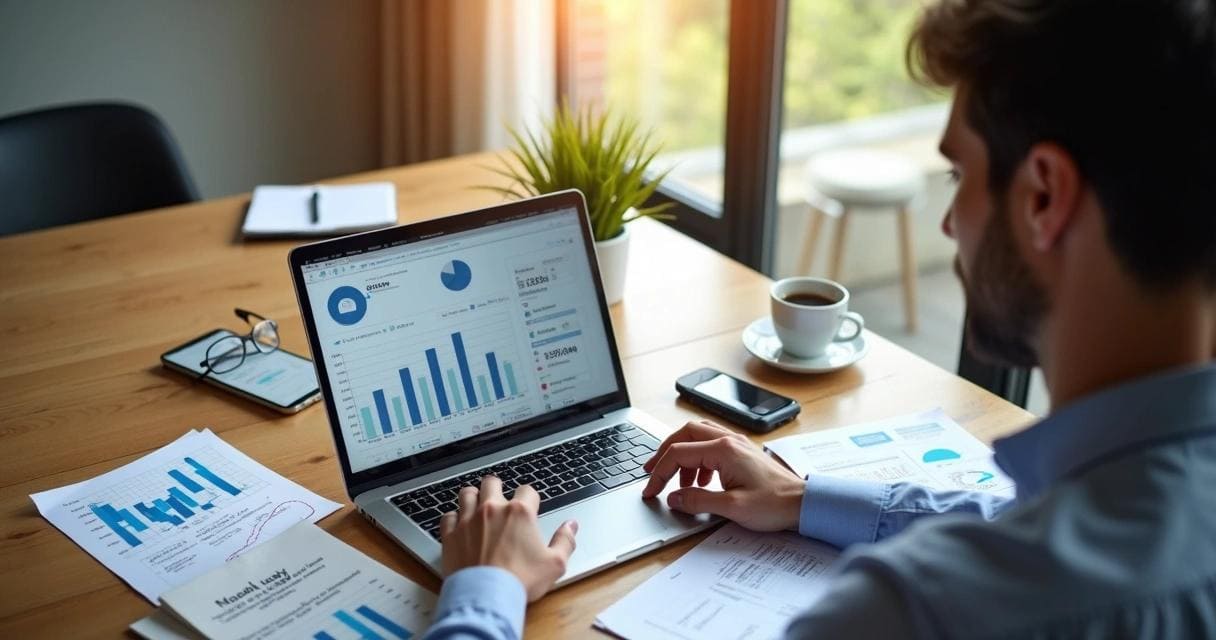
The old model was drop-off: you hauled documents to an office and hoped for the best. The cloud model is continuous: your bank feeds in automatically, receipts are captured by app, and your bookkeeper works in the same live file you can see. Nothing gets lost in a handoff, and you’re never reconstructing the year. The only thing you give up is the commute.
Do you lose the personal touch?
This is the real worry under the security one — that “remote” means faceless. It doesn’t have to. A good remote bookkeeper is a phone call or video away, often more responsive than an in-person firm because they’re not tied to office hours and foot traffic. You get a real person who knows your file; you just don’t have to drive to them.
What to look for
Use a firm that works on a reputable platform, turns on two-step verification, gives you your own secure access (you should always be able to see your own books), and can explain their process in plain terms. If someone’s still asking you to drop off a box of paper in this day and age, that tells you something.
We run cloud-first on purpose — it’s more secure, more accurate, and it means we’re always working from your current numbers. Curious what the switch looks like? Book a quick consult.
FAQ
Is cloud accounting software secure?
Yes — reputable platforms use bank-level encryption, secure logins, and optional two-step verification, generally making your data safer than paper or a local file.
Is remote bookkeeping as good as in-person?
For most businesses, yes — often better, because your books are live and shared, nothing gets lost in a handoff, and a good remote bookkeeper is very responsive.
Can I still see my own books?
You should always have your own secure access. If a provider won’t give you that, treat it as a red flag.
What if the internet or platform goes down?
Major platforms are highly reliable and back your data up automatically — typically far more resilient than files stored on one office computer.
Do I need to be tech-savvy to use it?
No. A good bookkeeper sets it up and runs it; you mostly just snap photos of receipts and check reports when you want them.