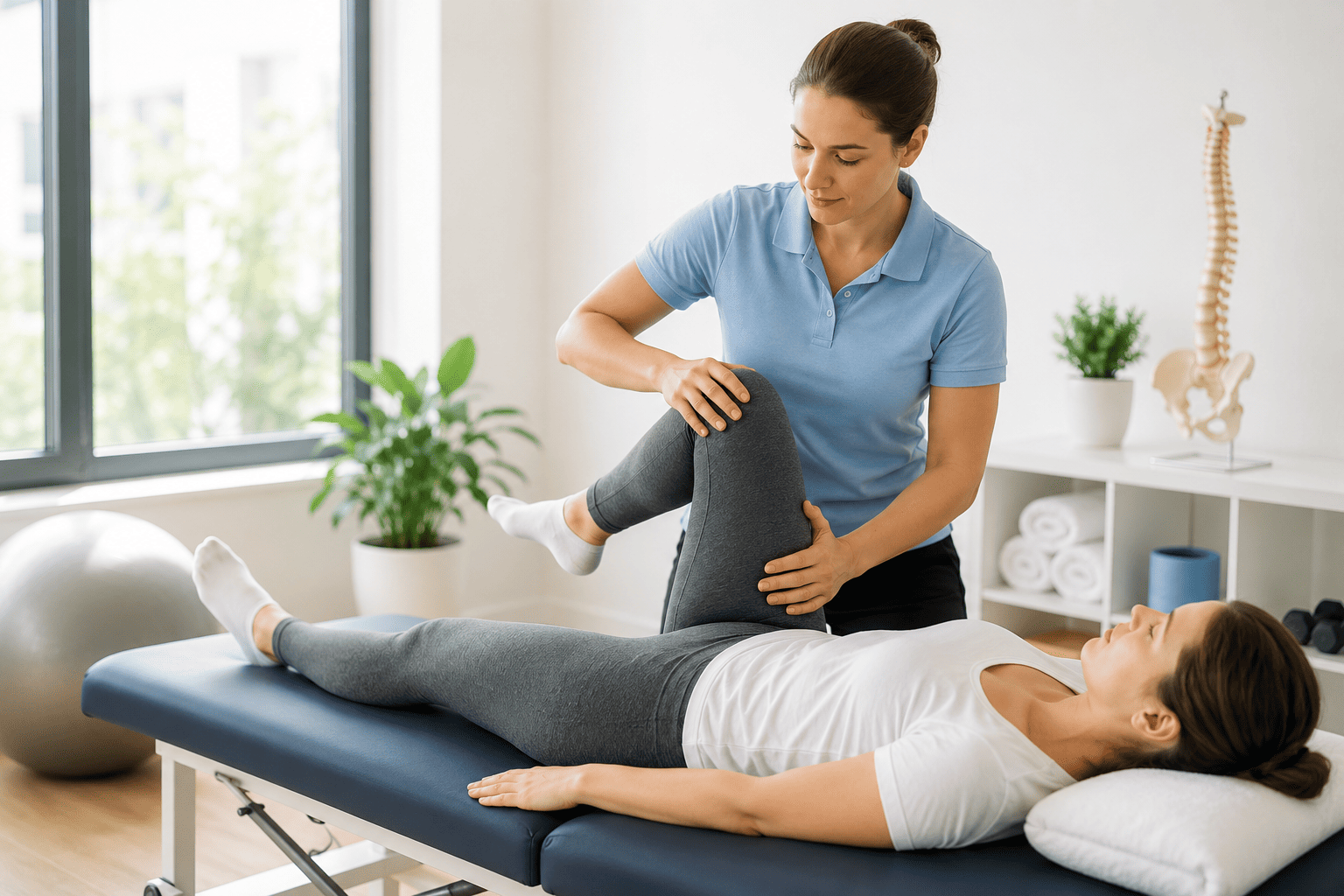
Physiotherapists, massage therapists, chiropractors, psychotherapists, dietitians — you all run real businesses that happen to involve helping people feel better. And most of you got into it for the helping part, not the spreadsheets. Fair enough. Here’s the money side in plain language, so you know which levers exist and when to pull them.
Should you incorporate?
Same principle as any professional: incorporating starts to make sense once you’re consistently earning more than you need to live on, because it lets you leave surplus in the corporation at a lower tax rate. If you’re an associate at one clinic with modest income, maybe not yet. If you’re building a busy practice or your own clinic, it’s worth a proper look. The only real answer comes from running your numbers — but don’t leave it unexamined for years.
The HST question is different for allied health
Here’s a nuance that trips people up: not all health services are treated the same for HST. Some allied-health services are exempt; others — massage therapy is the classic example in much of the country — generally are not. Getting this right matters, because quietly charging (or not charging) the wrong way builds up a problem that only surfaces later. Get your specific services confirmed rather than assuming “health = exempt.”
The deductions that add up
Treatment tables, equipment, clinic rent or a home-based space, supplies, professional dues and insurance, continuing education, and vehicle use if you travel between locations — all legitimate when tracked properly. Individually small; over a year, real money. A tidy system (ideally cloud-based) means you actually capture them instead of finding receipts in a drawer in April.
Keep it simple
Most allied-health practices don’t need anything exotic — they need the fundamentals done right and reviewed yearly. That’s exactly why this is one of the areas where flat, predictable pricing works so well: incorporated professional practices tend to have similar, tidy needs, so you know what you’re paying and you’re not nickel-and-dimed for questions.
We work with a lot of professional corporations in exactly this boat. If you’d like yours looked at — incorporate-or-not, HST, the works — book a quick consult and we’ll give you the straight version.
FAQ
Should a physiotherapist or RMT incorporate?
Often, once you’re consistently earning more than you need personally — incorporation allows tax deferral. Early-career or part-time associates may not need it yet. Run your numbers to be sure.
Do massage therapists charge HST?
Generally, yes — massage therapy is typically not HST-exempt in much of Canada, unlike some other health services. It’s worth confirming your specific situation and province.
What can allied-health professionals deduct?
Equipment, clinic space or home-office, supplies, professional dues and insurance, continuing education, and vehicle use between locations, when properly tracked.
Is my income exempt from HST because I’m in healthcare?
Not automatically. Some health services are exempt and some aren’t. Assuming everything is exempt is a common and costly mistake — get yours reviewed.
How much does accounting for a small practice cost?
It depends on your services and volume; we quote up front with flat pricing so there are no surprises. Many incorporated professional practices have similar, predictable needs.